Outline
- Introduction to Dupe Bags
- Definition and why they exist.
- Brief history of replica culture.
- Early Days: Basic Imitations (2000s)
- Low-quality knockoffs in flea markets.
- Focus on logos, not craftsmanship.
- The Rise of Online Replicas (2010-2015)
- Websites like xdupes.com emerge.
- Improved materials but still obvious fakes.
- The “Super Fake” Era (2015-2020)
- Near-identical replicas of Louis Vuitton and Gucci.
- Attention to stitching, hardware, and packaging.
- Niche Replicas: Beyond Handbags (2020-Present)
- Dupes for Chanel and Hermès.
- Specialized items like Gucci Disney collabs.
- The Tech Behind Modern Dupes
- 3D modeling and factory leaks.
- Community forums reviewing accuracy.
- Ethical and Legal Gray Areas
- Why brands like LV and Gucci crack down.
- The debate over “inspired by” vs. counterfeit.
- Future of Dupe Bags
- AI-generated designs and custom replicas.
- Sustainability claims in replica markets.
Key Takeaways
- Dupe bags evolved from cheap knockoffs to near-perfect replicas.
- Sites like xdupes.com specialize in high-end dupes.
- Modern replicas focus on details like stitching and materials.
- Legal risks remain, but demand keeps growing.
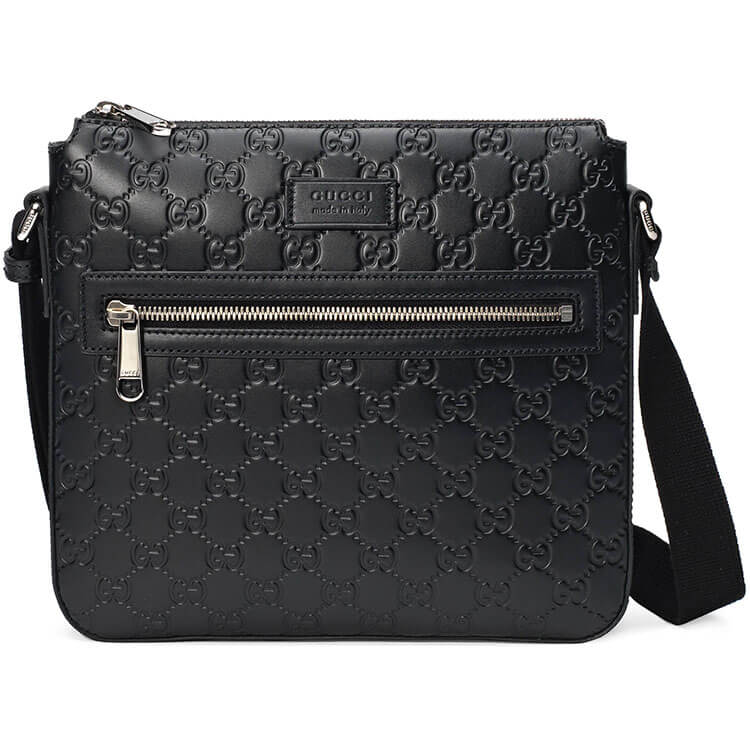
1. Introduction to Dupe Bags
Dupe bags started as cheap imitations of luxury brands. People wanted the look without the price tag. Early versions were obvious fakes—plastic leather, crooked logos. Now, they’re so close to the real thing even experts double-check.
Sites like xdupes.com sell replicas of Louis Vuitton and Gucci that fool most people. The difference? A $2,000 price gap.
2. Early Days: Basic Imitations (2000s)
Back then, dupes were sold in flea markets or shady street stalls. Think:
- Glue peeling off after a week.
- Logos like “Luie Vutton” instead of Louis Vuitton.
- Zero attention to details like stitching or hardware.
You’d buy one for $20 and it’d fall apart in a month. But hey, it looked like the real deal from afar.
3. The Rise of Online Replicas (2010-2015)
Online stores changed everything. Sellers could now reach global buyers. Quality improved slightly:
- Better leather (but still fake).
- Stitching was straighter.
- Websites like xdupes.com popped up, offering Gucci messenger bags for under $200.
Still, most replicas had flaws—wrong lining, cheap zippers. But they were getting closer.
4. The “Super Fake” Era (2015-2020)
This was when dupes got scary good. Factories in China started using:
- Real calfskin instead of pleather.
- Accurate serial numbers and dust bags.
- Correct font on logos (no more “Luie Vutton”).
For example, this LV Nano Amazone replica has the same monogram alignment as the original. Even the weight feels identical.
5. Niche Replicas: Beyond Handbags (2020-Present)
Now, dupes cover everything:
- Chanel 19 bags with the same quilted leather.
- Hermès Kelly Mini replicas with hand-stitched handles.
Some sellers even offer “custom” dupes—want a pink Hermès? They’ll make it.
6. The Tech Behind Modern Dupes
How do they get so accurate?
- Factory leaks: Insiders share design specs.
- 3D printing: Molds for hardware are identical.
- Community reviews: Forums dissect every stitch.
A Gucci Dionysus dupe might get 50 pages of comments comparing it to retail.
7. Ethical and Legal Gray Areas
Luxury brands hate this. They sue sellers, but new sites pop up fast. The argument?
- Pro-dupe: “Not everyone can afford $3K for a bag.”
- Anti-dupe: “It’s theft of intellectual property.”
Most replicas sit in a gray zone—technically illegal, but hard to stop.
8. Future of Dupe Bags
What’s next?
- AI-generated designs: Replicas of unreleased bags.
- “Sustainable” dupes: Fake leather marketed as eco-friendly.
- Custom orders: Want a LV x NBA collab? Done.
The game’s only getting smarter.
FAQs
Are dupe bags illegal?
Technically, yes—if they use trademarked logos. But enforcement is spotty.
How can you spot a fake?
Check stitching, serial numbers, and hardware weight. Even good dupes slip up somewhere.
Why buy a dupe instead of the real thing?
Price. A $200 replica vs. a [$2,000 original].
Do luxury brands lose money because of dupes?
Debatable. Some argue dupes feed hype—people buy fakes first, then save for the real deal.
Will replicas keep getting better?
Probably. As tech improves, so will the fakes.
This isn’t just about bags—it’s about how far imitation can go. And honestly? It’s wild.
Edited by: Vivian Kay, Los Angeles